
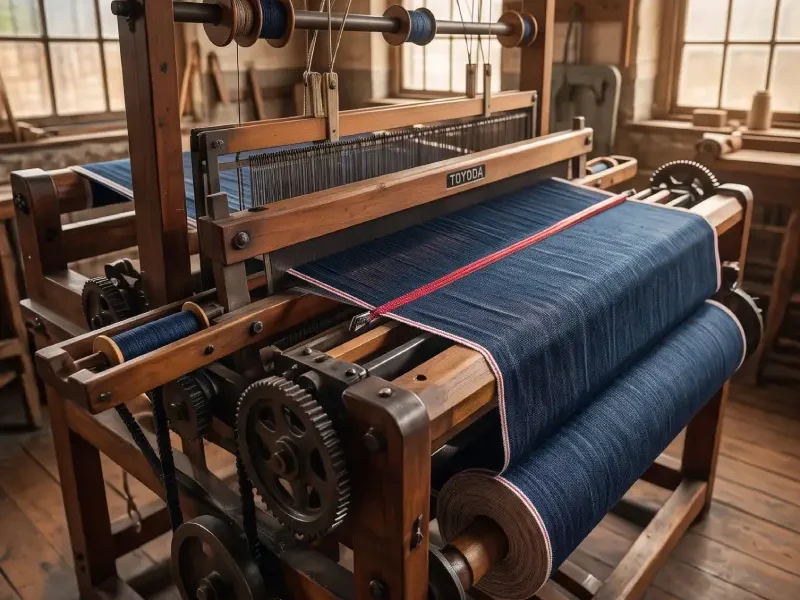
Choosing the right selvedge denim jean manufacturer can shape your brand’s product quality, margins, and reputation. In 2026, buyers expect clear sourcing, consistent construction, and responsible production. This guide explains how to evaluate a factory’s fabric expertise, quality controls, lead times, and communication before you commit to a manufacturing partner.
Key Takeaways
- Fabric Is Key: Authentic shuttle-loom weaving, exacting indigo dyeing, and heavier fabric weight are hallmarks of true premium denim.
- Confirm Sustainability: As modern consumers, we expect washing to work in an environmentally friendly manner; operations to conserve energy and promote equitable trade.
- Operational Excellence: Find speed with communication, Quality Control (QC) certifications, and established OEM/ODM services.
- Let the Data Decide: Create a scoring matrix with 3 points and eliminate emotions from your purchasing decisions.
What Is Selvedge Denim and Why Does the Manufacturer Matter?
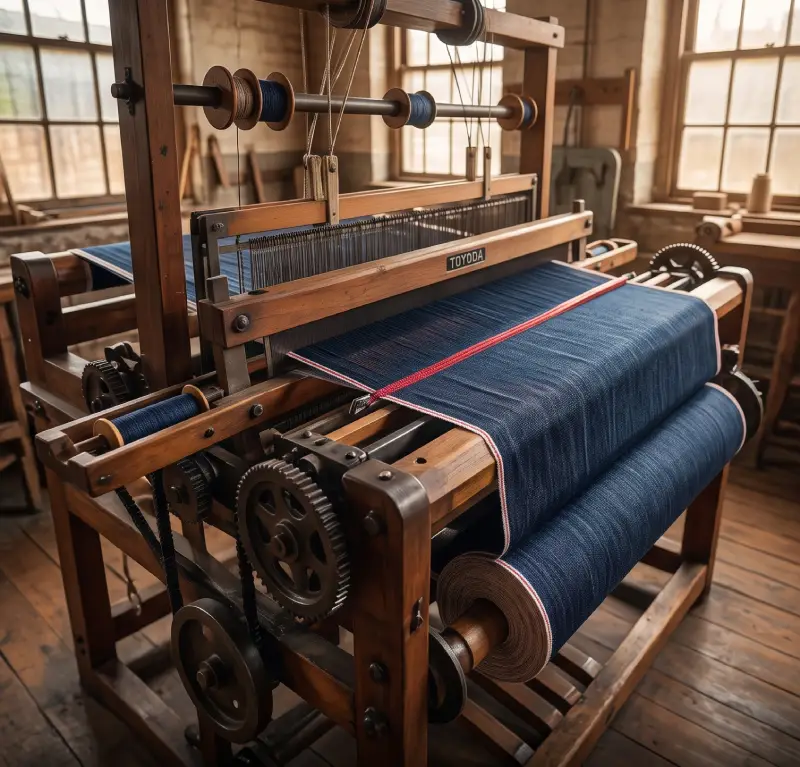
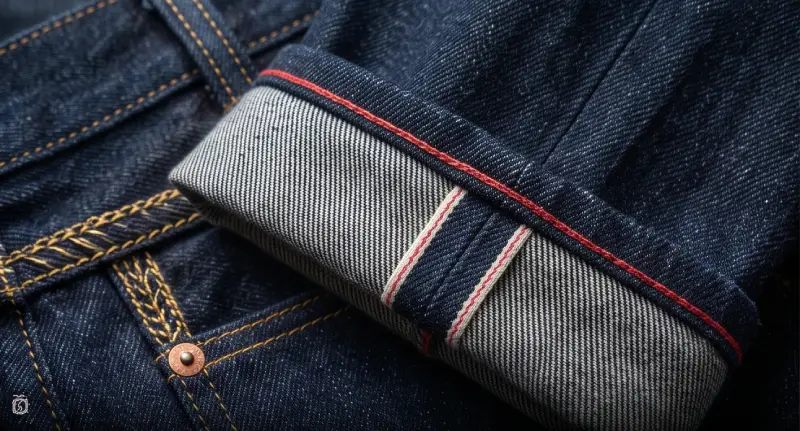
Selvedge denim is woven with a finished edge, or “self-edge,” traditionally produced on shuttle looms. The weaving method, fabric weight, yarn, and finishing all affect the final character of the cloth. For a deeper explanation of the fabric and its construction, see our guide to what selvedge denim is. When you assess a manufacturer, confirm that it can source suitable selvedge fabric and sew the garment to match the fabric’s weight and structure.
The manufacturer you choose directly affects product consistency and brand reputation. Stitching defects, inconsistent washes, or poor fit grading can weaken customer trust and increase returns. An experienced denim partner helps you control construction, finishing, and quality from sampling through bulk production.
Core Criteria for Evaluating Selvedge Denim Manufacturers
1. Fabric Quality & Construction
Fabric evaluation is one of the clearest ways to assess a partner’s technical capabilities. Premium jeans commonly use denim from 12 oz to heavyweight options, depending on the intended fit and use. Ask how the factory handles heavier cloth, reinforced rivets, and chain stitching at the waistband and hem. Also request fabric specifications and swatches. Our selvedge denim cost breakdown explains how fabric and construction choices affect production costs.
2. Ethical & Sustainable Practices
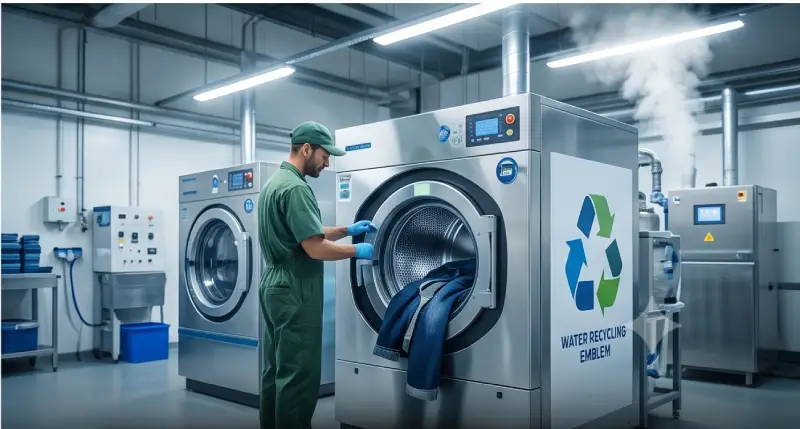
Greenwashing is a very real and expensive legal and funding risk for fashion brands in 2026. You need to audit the environmental impact of your manufacturer. One way to definitely distinguish between manufacturers is to probe them directly about how they lower energy consumption during production. However, the factories that take the lead in this area are establishing green projects such as energy-saving lighting sources and boiler steam exhaust recovery systems to effectively develop their low-carbon social responsibility over time.
[Conventional Factory] ---------> High Carbon FootPrint & Waste
[ Eco-Certified Factory ] -------> Steam Recovery + Energy-Saving LED + Water Recycling
3. Operational Transparency
A reliable manufacturer should work as an extension of your team and explain its capacity, production steps, and quality checks in practical terms. Match factory scale to your order size: large infrastructure alone does not guarantee that a supplier is right for your brand. If you are still developing specifications, use this denim tech pack guide to prepare clear requirements for fabric, fit, trims, and measurements.
- More than 7,000 square meters of factory footprint.
- Advanced clothing equipment units over 330.
- Over 10 devoted production lines run by a Production team of over 150 people.
Moreover, speed is essential for operational transparency. Get a reply within 30 minutes to your queries, and detailed quotes and product specifications in 3 hours!
Where to Find Reliable Selvedge Denim Manufacturers
Top Geographic Hubs & Mills
Japan and Italy are known for heritage denim, while Guangdong and other manufacturing regions in China offer a broad supplier base and production capacity. Compare individual factories on fabric access, sampling, construction, compliance, and communication rather than assuming that a country or region guarantees quality. This broader guide to finding a jeans manufacturer covers additional supplier-vetting steps.
Sourcing Channels
Use several channels to identify and compare potential partners. For small initial runs, also consider whether your supplier’s MOQ and sourcing model fit your launch plan; our guide to overseas versus domestic denim sourcing for small batches explains the trade-offs.
Exhibitions Related to the Industry: The easiest way to meet manufacturers in person is by attending yearly clothing exhibitions, where you can check the fabric samples and see how well they work.
Direct Digital Sourcing: When searching for manufacturers, choose ones that will offer clear OEM (Original Equipment Manufacturer) and ODM (Original Design Manufacturer) services.
B2B Platforms –> Look for old players with good experience in exporting to top import markets such as Europe, the US and Australia
Building a 3-Point Scoring Matrix
You need to use a rigid score of 3 points matrix for evaluating each vendor; otherwise, you would end up making an emotional decision. Assess the vendors on a scale of 1 to 3 (where 1 is Poor and 3 is Excellent) across three core pillars—Capability, Speed, and Quality Assurance.
| Evaluation Pillar | Score 1 (Poor) | Score 2 (Average) | Score 3 (Excellent) |
| Capability & R&D | Basic styles only; no custom development. | Limited OEM; standard fabric selections. | Full OEM/ODM; strong sample development via a 15+ person R&D team. |
| Speed & Lead Times | >60 days lead time; slow email responses. | 30-45 days lead time; 24-hour response. | 25–35 days production period; sample development within 10–20 days. |
| Quality & Service | No formal inspection; high defect rates. | Random sampling; basic customer support. | 100% full inspection before shipment; full defect replacement policy. |
How to Calculate Your Score
Multiply the three pillar scores to calculate a combined performance score. This makes it easier to compare suppliers using the same criteria.
Use this formula: Total score = Capability × Speed × Quality Assurance.
- Score 27 (Ideal tier-1 strategic partner (3×3 score)):
- Points 12–18: Barely good enough backstop, needs careful oversight.
- Score Below 12: High risk. Do not proceed.
Red Flags & Deal-Breakers to Avoid
Here are some of the most important warning signs to look out for when vetting factories.
- Slow E-mail Responses: If it takes days for a factory to respond to a simple email, your production schedules will naturally fall behind.
- Avoid manufacturers that cannot explain how they handle defects or refuse to document a remedy. Agree in writing on inspection standards, acceptable tolerances, and replacement or credit terms before production begins.
- No Certifications: Be cautious if a factory cannot provide relevant quality certificates, testing records, or compliance documents when requested.
Negotiation Tips & Contract Essentials
Use your leverage wisely to negotiate a deal that is best for your brand when you are ready to sign a contract:
Tip: Get free samples when you are negotiating. Most major manufacturers will refund your sample costs directly once your order reaches their standard production quantity.
Make sure your manufacturing contract includes these four pillars:
Customization details: document the fabric, wash, measurements, branded hardware, label placement, and packaging requirements.
Stringent Lead Times: Agree a bulk production lead time of 25–35 days with standard penalties for unexcused delays.
Pre-shipment inspection: define the inspection method, sampling level, defect classification, and corrective action before goods leave the factory.
Logistics support: confirm the shipping terms, export documents, responsibilities, and delivery timeline so customs clearance can be planned.
Maximize Your Production Success
Choosing a manufacturer is a practical decision about product capability, communication, and risk. Compare suppliers against the same written requirements, approve a sample before bulk production, and set quality and delivery expectations in the contract.
Get the Sourcing Toolkit
Are you preparing to launch a denim line? Kaiping Lianwang Garment Co., LTD provides OEM and ODM denim manufacturing from its facility in Guangdong, China. Contact the team to discuss your fabric, construction, target order quantity, and sampling requirements.
The company offers OEM and ODM development, custom sampling, and production support. Share your design brief and target quantities to confirm current sample and production timelines, quality documentation, and available fabric options. You can also review the company’s denim factory manufacturing process.
Frequently Asked Questions
A good production period for a very efficient factory would be 25–35 days after sample approval. It takes around 10–20 days to develop a sample.
Firstly, request the factory to provide their most recent options of stylish fabrics. Second, get a custom sample so that you can feel and see the weight, the texture, and the stitch strength. High-quality factories will deduct this sample fee when you make your bulk order.
Only cooperate with factories that provide a clear after-sales warranty. Secondly, your contract needs to include that the manufacturer will cover all costs for the replacement of any broken or defective goods discovered in the course of selling.
Yes. Large, well-established manufacturers have the equipment flexibility and multiple lines to produce focused segments of high-quality women’s, men’s and kids’ denim at one time.

Recent Comments