
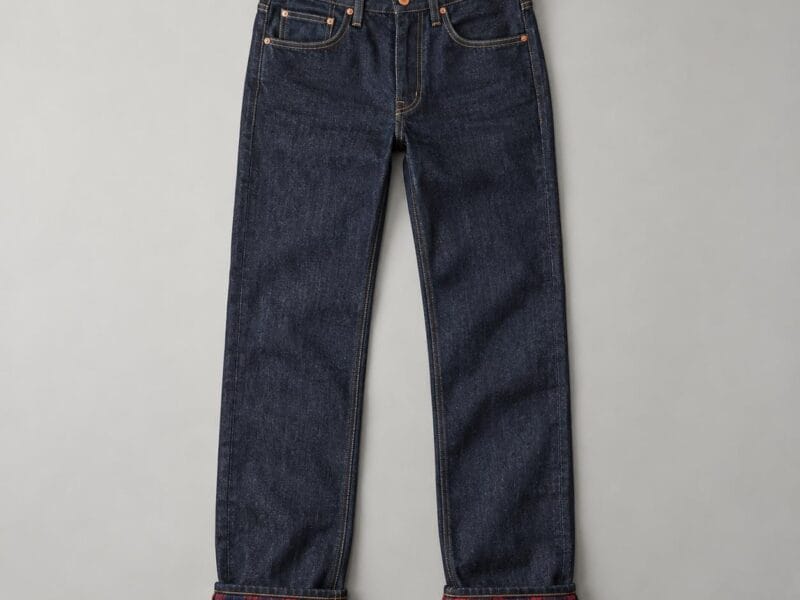
Are jeans warmer than sweatpants? It depends on the fabric, fit, wind, and whether either pair is lined. Fleece sweatpants often feel warmer indoors because their brushed surface traps still air. In wind, tightly woven denim can provide a better outer barrier. For cold-weather comfort, the most reliable choice is often a warm base layer under jeans—or fleece-lined denim—rather than relying on the word “jeans” or “sweatpants” alone.
Jeans vs. Sweatpants: Which Is Warmer?
There is no universal winner. Warmth comes from both insulation (air held close to the body) and protection from moving air. Brushed fleece usually holds more still air next to the skin, while denim’s woven structure can slow wind. A thin, loose pair of either garment may feel cold; a lined or heavyweight version can feel much warmer.
| Situation | Usually the more comfortable option | Why |
|---|---|---|
| Indoors or calm weather | Brushed fleece sweatpants | Soft inner nap traps warm air and feels cozy against skin. |
| Windy walk | Denim, especially a closer weave | The woven shell can reduce wind penetration better than many knit joggers. |
| Very cold weather | Either with a thermal base layer | An insulating layer adds warmth without relying on the outer fabric alone. |
| Wet snow or rain | Water-resistant outer layer | Wet cotton and denim both lose comfort; neither is waterproof by default. |
Why Sweatpants Feel Warmer Indoors
Many sweatpants use cotton or cotton-blend knit with a brushed fleece interior. That soft surface can hold pockets of still air, which slows heat loss when you are sitting or moving around indoors. The knit also stretches easily and feels comfortable against bare skin.
That does not mean every pair is warm. Lightweight French terry or thin jersey may provide little insulation, and a loose leg opening can let drafts circulate. Check the fabric weight and inside finish, and choose a fit that leaves room for movement without billowing in the wind.
Why Jeans Can Be Better in the Wind
Denim is a woven twill fabric. Its relatively compact construction can act as a useful wind barrier compared with many open knits, so jeans may feel more comfortable on a breezy commute. But unlined denim has little loft, and it can feel cold against bare skin when you first put it on. Stretch content, fabric density, garment fit, and construction all affect how much wind gets through.
Fabric weight is one clue, not a warmth guarantee. Heavier denim generally feels more substantial, but the weave, lining, fit, and weather matter too. For a quick reference to denim weights, see our guide to how much a pair of jeans weighs.
The Warmest Choice: Lined Jeans or a Base Layer
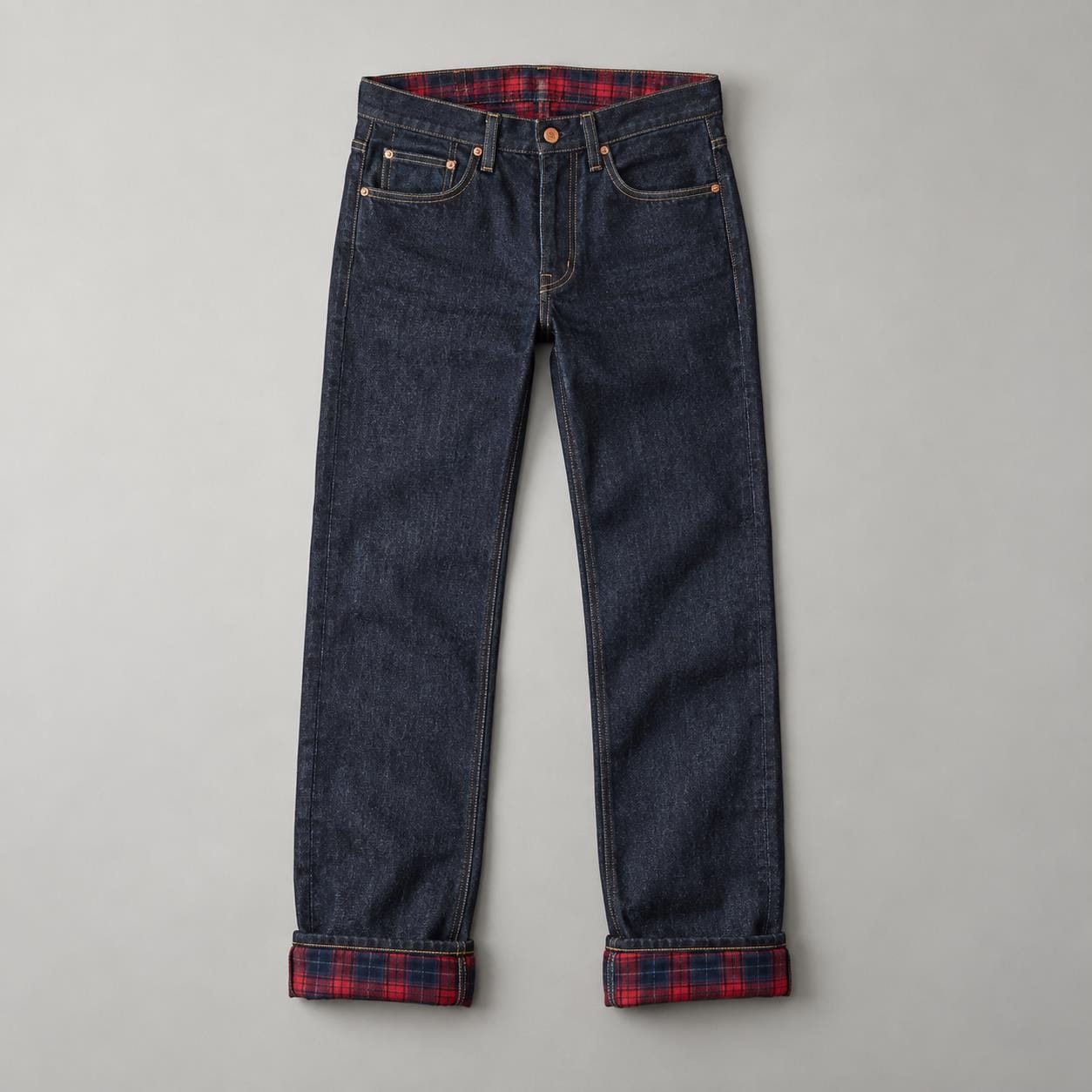
If you like the wind protection of jeans but dislike the cold feel, add a thin thermal legging underneath. This creates an insulating layer while keeping a denim outer shell. Another option is fleece- or flannel-lined denim, which combines a woven exterior with a soft inner layer.
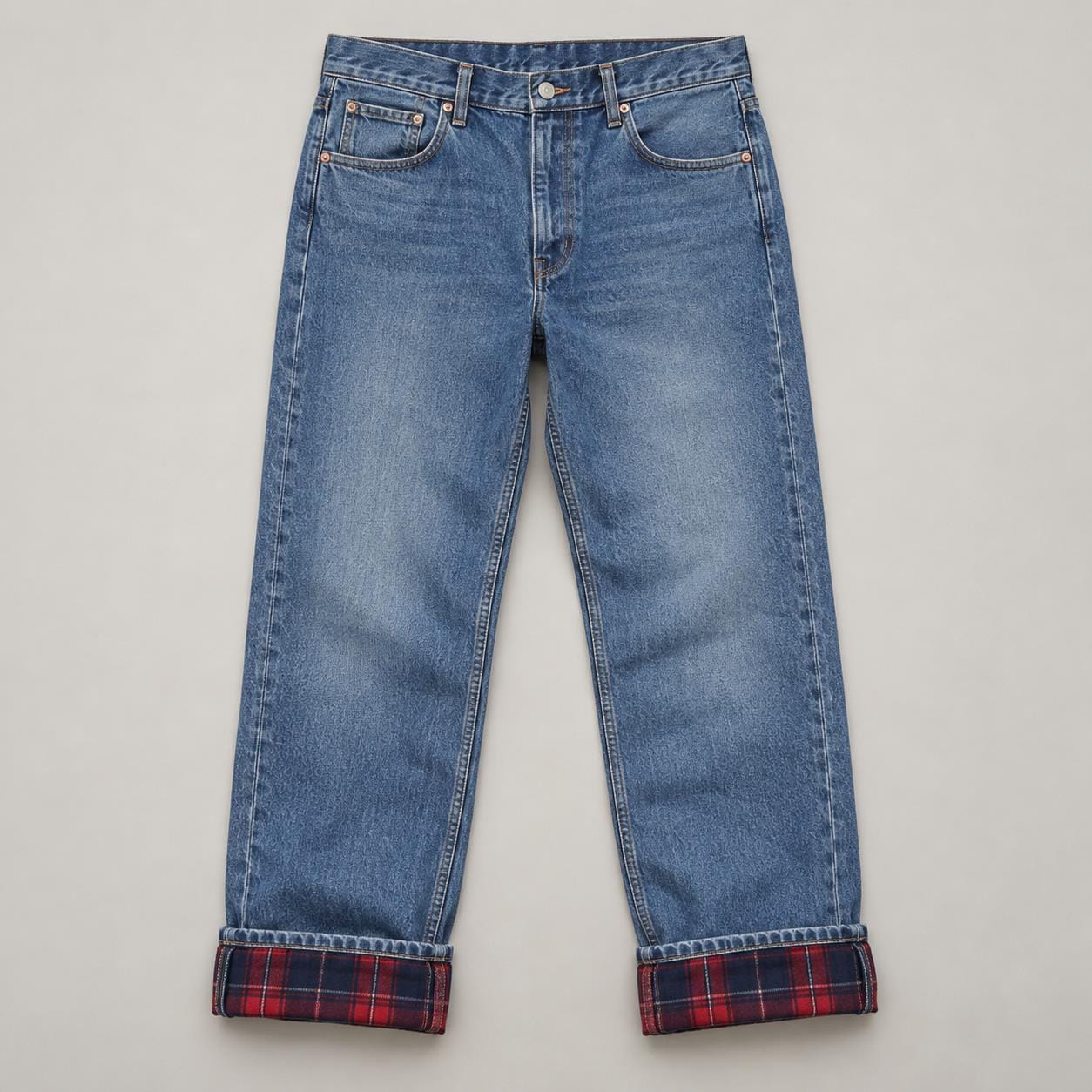
Explore our flannel-lined denim jeans page for an example of this construction. When shopping, look for a lining that covers the areas where you want extra insulation, and make sure the fit still allows comfortable movement.
How to Choose for Different Winter Conditions
Choose sweatpants for lounging and dry, calm days
For home, travel, or a short outing in mild weather, brushed fleece sweatpants are often the coziest option. If it is windy, wear a windproof outer layer or choose tapered joggers with a closer-fitting cuff.
Choose jeans for breezy commutes and everyday wear
Jeans can be a practical outer layer for dry, windy conditions, particularly when the fabric is substantial and the fit leaves room for a thin base layer. If temperatures are very low, add thermal leggings rather than expecting ordinary denim to provide insulation by itself.
Keep both fabrics dry
Wet cotton garments can feel cold and cling to the skin. In snow or rain, use a water-resistant shell and change out of damp layers promptly. For prolonged exposure to severe cold, choose purpose-built winter trousers and follow local cold-weather guidance.
Quick Verdict
For indoors: fleece sweatpants usually feel warmer and softer. For wind: denim often provides a better barrier than ordinary knit sweatpants. For the coldest days: wear a thermal base layer, choose lined pants, and keep the fabric dry. Construction and conditions matter more than the garment label.
Frequently Asked Questions
Are jeans warmer than sweatpants in winter?
Sometimes. Fleece sweatpants are often warmer indoors, while denim can feel better in wind. Lined jeans or a thermal layer can make denim more comfortable in colder weather.
Do jeans keep you warm in snow?
Ordinary jeans are not waterproof or designed for prolonged snow exposure. Once cotton denim becomes wet, it can feel cold and heavy. Wear a water-resistant shell for wet conditions.
What should I wear under jeans in cold weather?
Thin thermal leggings or long underwear add insulation with less bulk than another pair of trousers. Choose a layer that fits comfortably beneath your jeans.
Are heavyweight jeans warmer than lightweight sweatpants?
They may feel warmer outdoors because a dense denim shell can block more wind, but fabric weight alone cannot predict warmth. Lining, fit, moisture, and wind exposure also matter.

Recent Comments