
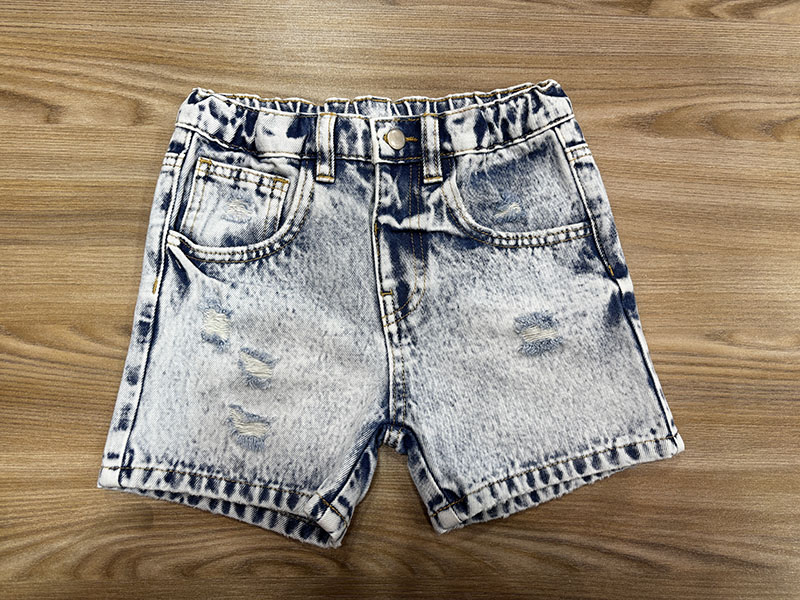
Denim trends come and go—but that faded, worn-in acid wash look? It never really leaves. There’s something about those cloudy, marble-like patterns that keeps pulling people back. But here’s the thing: pulling off a proper acid wash isn’t just about dunking your jeans in bleach and hoping for the best. You need to understand what the chemicals are actually doing—both for your safety and for a result that doesn’t end in shredded fabric. At Kaiping Lianwang Garment Co., LTD, we’ve been living and breathing denim for over 20 years, handling everything from development and production to sales and export. We’ve seen plenty of DIY disasters, and we’ve also perfected the factory process. So we’re sharing what we know—both the home-friendly version and a peek behind the industrial curtain.
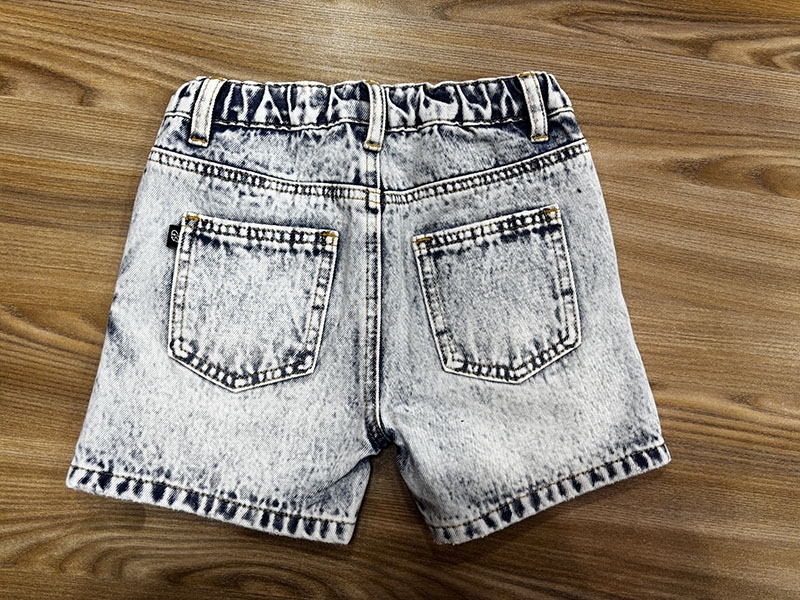
How to Acid Wash Jeans at Home? (The Core Method)
Here’s the short version: tie your dry denim up tightly with rubber bands, dunk it in a 1:2 bleach-to-water mix for 15–20 minutes, then rinse like you mean it in cold water. After that, soak the jeans in a hydrogen peroxide bath to shut down the chemical reaction before it eats through the fabric. Simple enough, right? The devil, as always, is in the details.
Step 1: Check the Label (The 100% Cotton & Spandex Rule)
Before you do anything, flip those jeans inside out and find the care label. Trust me on this one—the fabric blend decides everything. Pure cotton denim gives you the best shot at a clean, even fade. Stretch denim? Tread carefully. Anything with elastane or spandex will start breaking down fast once bleach enters the picture, and the elasticity? Gone. Just like that. If your jeans contain more than 2% elastane, cut your processing time way down. Think of it as a shortcut to avoiding the dreaded “why are my jeans falling apart” moment.
Step 2: Gather Your Denim Distressing Tools
Set yourself up properly before any chemicals come out. Thick rubber gloves and safety goggles are non-negotiable—no exceptions. Then grab your standard household bleach (sodium hypochlorite), a big plastic bucket or tub, and a handful of thick rubber bands for creating patterns. Want more texture? Toss in some pumice stones. The goal here is simple: have everything within arm’s reach so you’re not scrambling mid-process with bleach-covered hands. That’s how accidents happen.
Step 3: Mix the Bleach and Water Solution
Time to build your chemical bath. The ratio that works reliably is one part bleach to two parts water. But—and this matters—pour the water in first, then add the bleach slowly. Why? Because doing it the other way around can send splashes flying, and bleach splashes are not something you want on your skin or in your eyes. Also, ventilation is key. This reaction kicks off some seriously strong fumes, so working outdoors is your best bet. Your lungs will thank you.
Step 4: Apply the Vintage Fade Techniques
Now for the fun part—actually creating the pattern. For that classic marbled look, scrunch the jeans up tight and secure them with rubber bands. Want something more targeted? A spray bottle lets you zero in on specific spots like the knees or thighs. And if you’re chasing that traditional stone-washed texture, rub pumice stones directly onto the wet fabric. The beauty of this step is that you’re in control—you decide where the heaviest fading lands. No two pairs come out the same, and honestly, that’s half the charm.
Step 5: The Crucial Hydrogen Peroxide Neutralization Bath
This is the step most beginners skip—and it’s the one that quietly ruins their jeans over the following weeks. Don’t be that person. Right after rinsing off the bleach, mix one part hydrogen peroxide with ten parts water and submerge the jeans completely for ten minutes. This neutralizes any leftover bleach lurking in the fibers. Skip it, and the bleaching keeps working long after you think you’re done—slowly weakening the denim until it tears. A ten-minute soak is cheap insurance for keeping your jeans intact.
Factory Secrets: How Professionals Acid Wash Denim?
Home methods are a fun weekend project, but commercial facilities? Different universe entirely. At Kaiping Lianwang Garment Co., LTD, we run massive industrial washing machines to handle bulk orders, and our setup includes over 330 pieces of garment equipment staffed by more than 150 workers. We’ve got 10+ production lines and a 15-person R&D team that makes sure every finish comes out consistent—batch after batch. We specialize in high-quality denim for women, men, and kids, and precision is the name of the game.
Potassium Permanganate vs. Common Bleach
Here’s something most DIYers never hear: professional factories rarely touch household bleach. Instead, they reach for potassium permanganate—the industry standard for localized fading. Unlike basic bleach, this oxidizer breaks down indigo dye with surgical precision. Technicians can spray it exactly where they want high-contrast distressing, then neutralize the garment in specialized commercial baths. The result? Controlled, repeatable fades that would be nearly impossible to pull off in your backyard.
Eco-Friendly Alternatives (Ozone and Enzyme Washing)
The denim industry is shifting—and honestly, it needed to. Traditional acid washing guzzles water and leans on harsh chemicals. At our company, environmental protection and low-carbon responsibility aren’t just buzzwords; we actively work to cut energy consumption throughout production. Modern facilities now use cellulase enzymes to create faded effects naturally, and ozone gas technology can strip indigo dye without using a single drop of water. We’ve also invested in energy-saving lighting and boiler steam exhaust recovery systems. The takeaway? Beautiful, sustainable denim doesn’t have to come at the environment’s expense.
Common DIY Acid Washing Mistakes to Avoid
Let’s be blunt: DIY acid washing comes with real risks. The most common mistake? Leaving garments in the bleach way too long—which leads to weakened fabric and, eventually, tears. Another frequent flub: splashing pure bleach onto dry fabric, which leaves permanent yellow stains that no amount of washing will fix. The fix is simple—wet the denim slightly before submerging it, and don’t rush the neutralization step. Patience, it turns out, is the best defense against ruined clothing.
Frequently Asked Questions (FAQ)
Can I customize the wash on my bulk denim orders?
Absolutely. We offer OEM services, so you can customize every detail—washing, fabric, logo printing, packing, you name it—to match your product vision.
How quickly can you produce a custom acid-washed sample?
We move fast. Our team has solid R&D experience and strong ODM capabilities. Sample development takes 10–20 days, and we offer free samples—the sample cost gets refunded directly once your order quantity is met.
How long does bulk production take for custom washes?
We keep timelines tight: 25–35 days for production, with an annual output above 600,000 pieces. Good quality, quick delivery—that’s the promise.
How do you ensure the acid wash quality is consistent?
Quality control is our top priority. Every product gets fully inspected before shipment, and we provide relevant certificates and reports confirming national quality requirements before goods leave our facility.
What if I have an issue after receiving my bulk order?
We stand behind our work completely. We provide door-to-door guide service during shipment, and if any defective goods turn up during selling, we’ll replace them—no hassle.

Recent Comments