
Womens Ripped Denim Jeans-China Garment Manufacturer
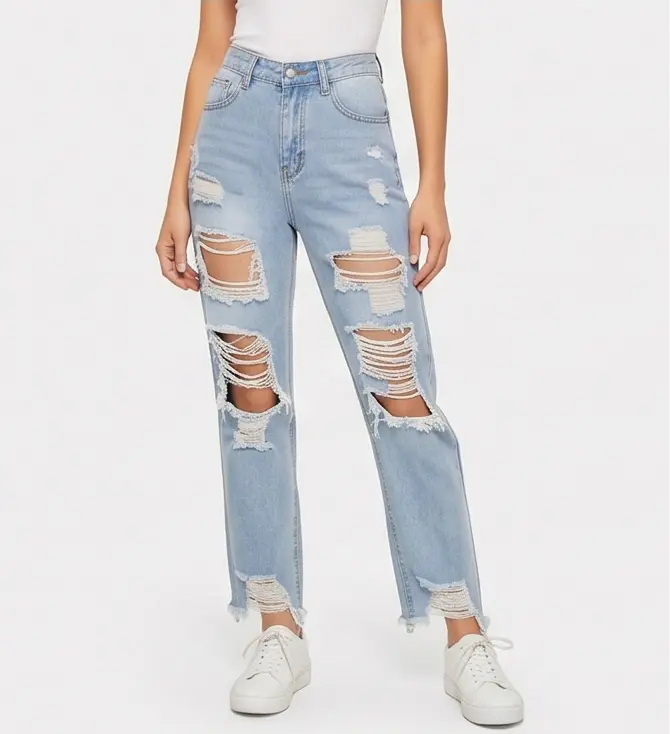
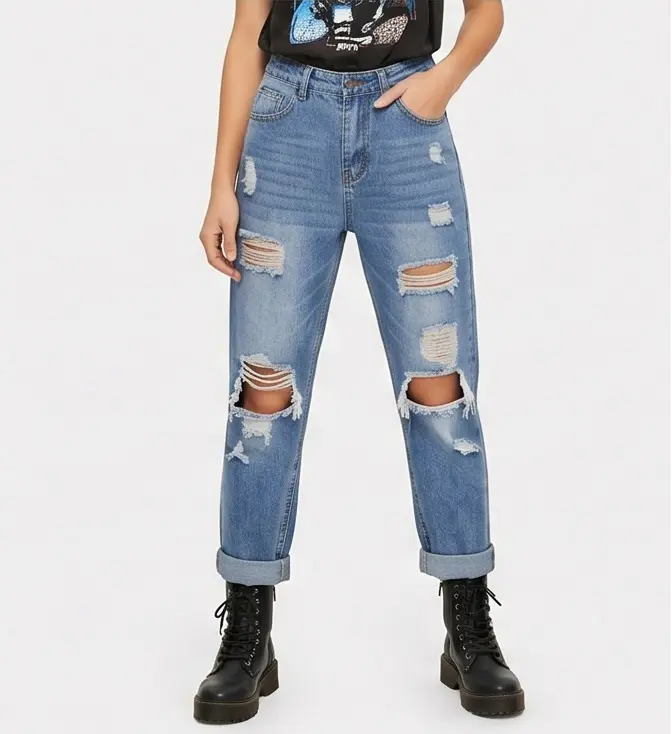
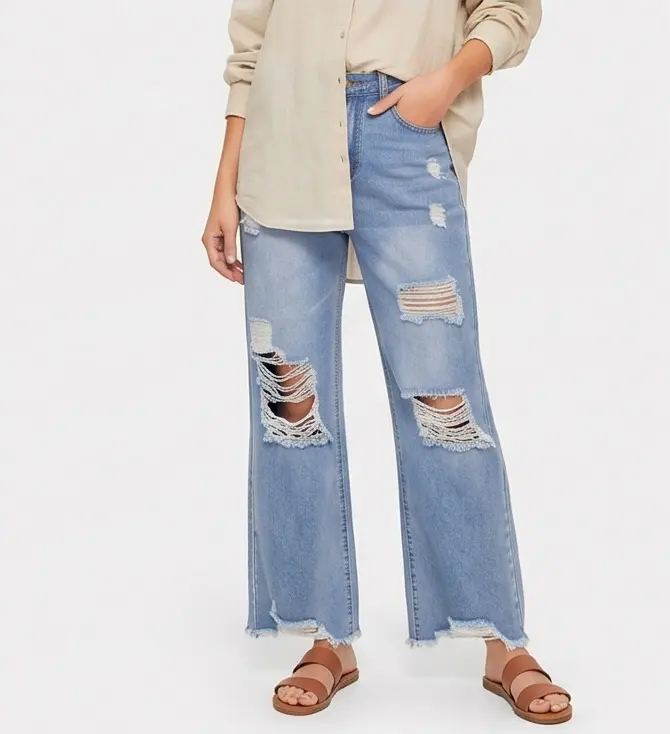
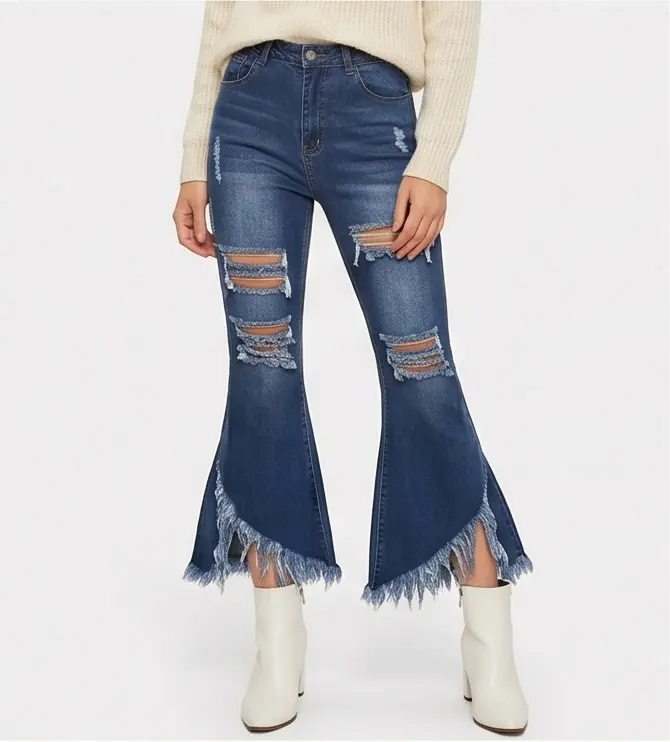
Street Style Womens Ripped Denim Jeans
Womens Ripped Denim Jeans combine edgy street style with everyday comfort, making them a popular choice in modern women’s fashion collections. Featuring distressed details, ripped knees, frayed hems, and vintage-inspired washes, these jeans create a bold and trendy appearance. Suitable for casual wear, urban outfits, and seasonal fashion trends, they appeal to younger and fashion-conscious consumers worldwide.
Made from high-quality denim fabrics with optional stretch construction, Womens Ripped Denim Jeans provide durability, flexibility, and lasting comfort throughout daily wear. Available in skinny, straight-leg, relaxed, and oversized fits, they support diverse styling preferences and market demands. Ideal for fashion brands, retailers, and private label collections seeking stylish, versatile, and trend-driven women’s denim products with strong commercial appeal.
8 Styles Womens Ripped Denim Jeans

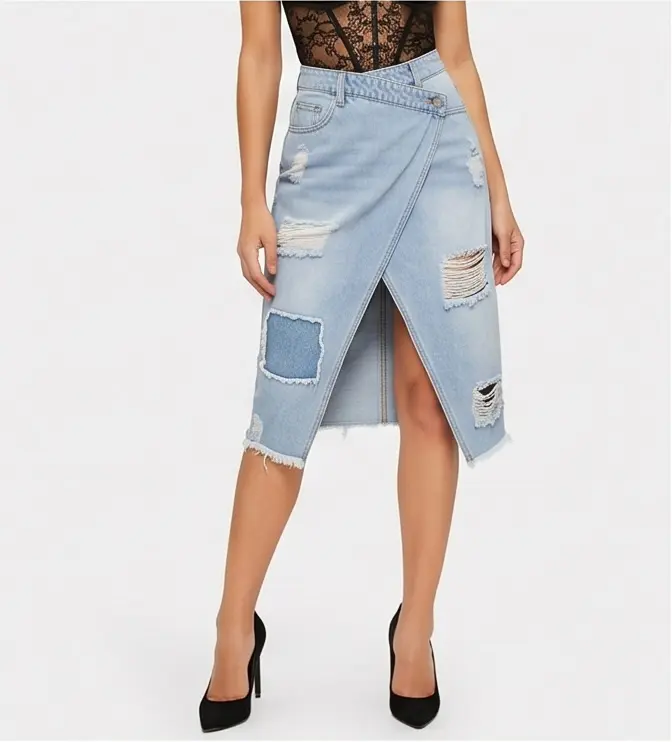

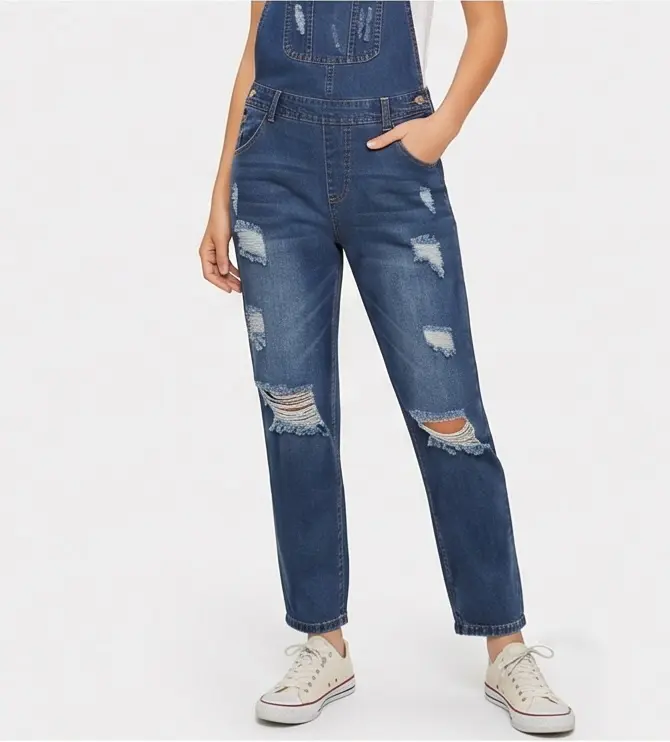
Womens Ripped Denim Jeans Distressing Process
1. Marking the Distressed Areas
The production team first marks the exact locations for rips, holes, whiskers, or abrasion effects based on the approved design. Common distressed areas include the knees, thighs, pockets, and hems to create a fashionable vintage appearance.
2. Sanding & Abrasion Treatment
Workers use sandpaper, grinding wheels, or hand sanding tools to rub the denim surface. This process softens the fabric and creates natural fading, worn textures, and vintage-looking abrasion effects before ripping begins.
3. Cutting the Fabric
Small cuts are carefully made using scissors, blades, or cutting tools at the marked positions. The cuts are controlled according to the desired size, shape, and level of distressing required for the jeans design.
4. Fraying the Threads
After cutting, the vertical yarns inside the denim are removed manually using tweezers or special tools. The remaining horizontal white yarns create the classic ripped denim appearance commonly seen in fashion jeans.
5. Destroy & Repair Technique
For heavily distressed styles, larger holes are created and reinforced with backing fabric or hidden patches underneath. This “destroy and repair” process improves durability while maintaining an aggressive streetwear aesthetic.
6. Laser Distressing (Optional)
Some factories use laser machines to create precise distressed patterns and faded effects. Laser technology improves production consistency, reduces manual labor, and allows more environmentally friendly denim processing.
7. Washing Process
The jeans undergo enzyme wash, stone wash, bleach wash, or softener wash after distressing. Washing enhances softness, natural fading, and the overall vintage look while blending the ripped areas more naturally into the garment.
8. Hand Finishing & Quality Check
Final touch-ups are completed by hand to refine loose threads, ripped shapes, and wash appearance. Each pair is inspected carefully to ensure consistent distress placement, durability, comfort, and overall product quality before packing.